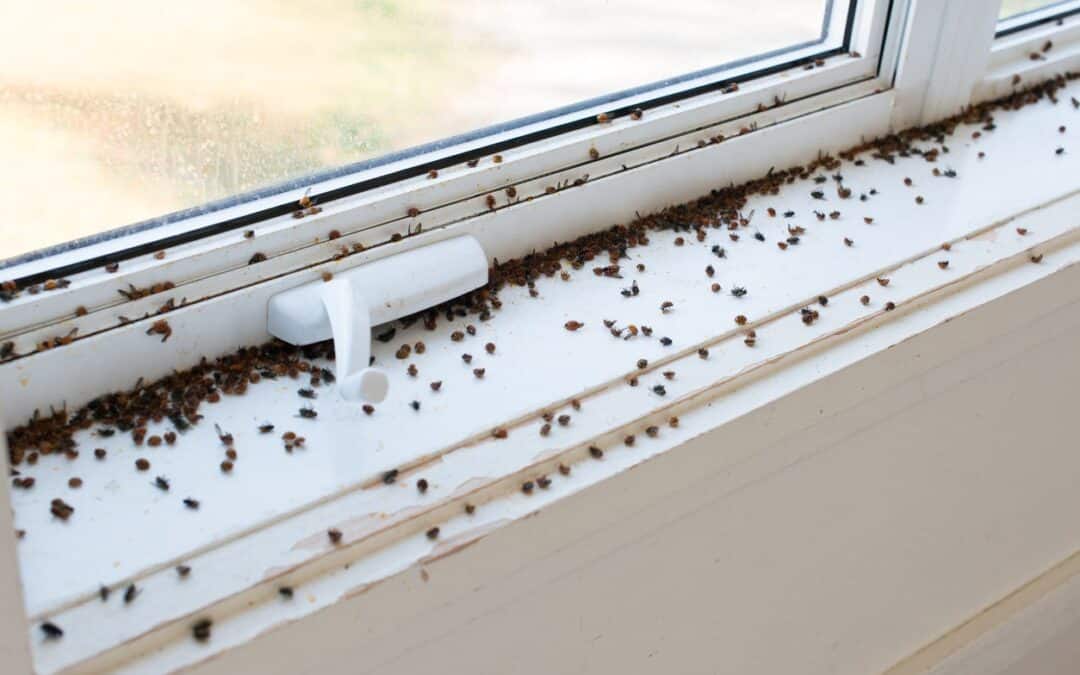
It’s easy to grab a DIY bug spray from the shelf and hope it solves your pest problem. After all, a few spritzes and the visible insects disappear. But what you don’t see, like hidden nests, larvae, or chemical residue, can create more trouble than you bargained for....
In the age of online tutorials and home improvement shows, tackling pest problems with store-bought solutions can seem like a savvy move. For many homeowners, the idea of grabbing a spray or setting traps appears more convenient and less expensive than calling in an...
Ticks are more than a minor nuisance. These tiny, blood-feeding parasites can pose significant health risks to both humans and animals. Often found in grassy or wooded areas, ticks attach to hosts to feed, potentially transmitting dangerous diseases in the process. As...
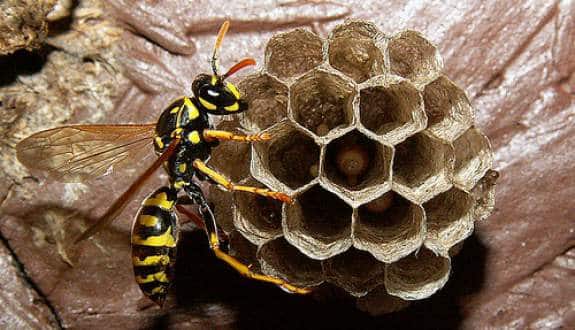
Yellow jackets may be hostile and come up unannounced, which makes life challenging. These wasps are always looking for food and secure locations for nest building. If you see them swooping around your house, there probably is something attracting them. Knowing what...