
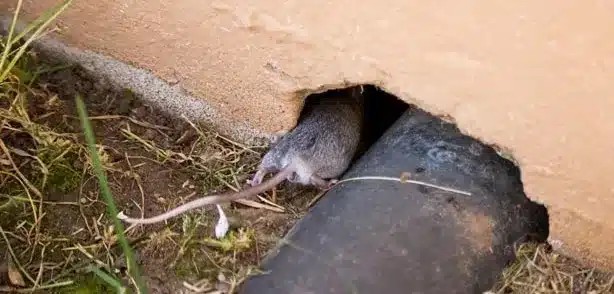
Winter changes how rodents behave, where they travel, and how they access structures. As outdoor temperatures drop, rodents seek warmth, shelter, and steady food sources indoors. This shift makes winter one of the most critical seasons for addressing rodent activity effectively. Proper rodent bait placement during this period is not about quantity or visibility. It is about understanding movement patterns and placing control measures where rodents already travel.
From a professional perspective, winter rodent management focuses on interception rather than reaction. When bait placement aligns with rodent behavior, intrusion pressure can be reduced before populations establish nesting areas inside walls, attics, and crawl spaces.

Why winter changes rodent movement patterns
Rodents do not move randomly during winter. Cold weather alters their routines, pushing them to conserve energy and follow predictable paths between shelter and food.
- Outdoor food sources become scarce or inaccessible
- Snow cover hides ground-level travel routes
- Heat loss around buildings attracts rodents to foundations
- Rodents rely on interior wall systems for protected movement
These changes make rodents more likely to use the same entry points repeatedly. Winter bait placement works best when it intercepts rodents along these established paths rather than relying on open or exposed areas. Understanding these seasonal movement patterns is essential for reducing indoor activity efficiently.
Where rodent bait is most effective in winter
Effective rodent bait placement depends on location rather than volume. Rodents prefer concealed, low-disturbance environments, especially during colder months when exposure increases risk.
- Along interior wall voids and structural edges
- Near known entry points such as utility penetrations
- In crawl spaces and basements with limited human traffic
- Along foundation lines where heat escapes
Placing bait in these strategic locations increases contact while minimizing disruption to indoor spaces. Rodents are far more likely to encounter bait when it is positioned along natural travel routes rather than in open rooms or visible areas.
Why improper bait placement reduces results
Poor placement often leads to ineffective control and prolonged infestations. Bait placed without understanding rodent behavior can be ignored entirely or create new issues.
- Bait placed too far from travel paths goes unnoticed
- Overexposed bait increases avoidance behavior
- Incorrect placement encourages rodents to relocate deeper into structures
- Inconsistent placement leads to uneven control
This is why relying on unstructured methods often produces limited success. Understanding the considerations discussed in DIY rodent traps helps clarify why professional placement strategies outperform reactive approaches during winter.
Safety and monitoring considerations for winter baiting
Winter bait placement must account for safety, monitoring, and environmental conditions. Rodents may consume bait over longer periods due to reduced movement, making follow-up essential.
- Secure placement prevents access by non-target species
- Monitoring ensures bait remains effective over time
- Environmental factors such as moisture are evaluated
- Adjustments are made as rodent behavior shifts
Professional monitoring ensures bait remains positioned correctly as winter conditions evolve. Snow accumulation, temperature changes, and building usage all influence rodent movement. Ongoing evaluation allows control strategies to remain effective throughout the season.
Why professional baiting strategies deliver better outcomes
Professional rodent bait placement integrates behavior analysis, structural evaluation, and long-term planning. Rather than treating winter intrusion as a one-time issue, professional strategies focus on sustained reduction.
Professionals evaluate entry points, nesting zones, and environmental factors that support rodent survival. This allows bait placement to be coordinated with exclusion, sanitation, and monitoring. Understanding the value of professional pest plans explains why structured programs reduce repeat infestations more effectively than isolated treatments.
Winter baiting also requires adjustment over time. As rodents adapt or pressure shifts, placement strategies evolve to maintain effectiveness. This adaptive approach minimizes indoor disruption and reduces the likelihood of rodents establishing a long-term presence during colder months.
Control winter rodent pressure with precision
Effective winter rodent control depends on strategic bait placement guided by experience and monitoring. For professional rodent management and winter intrusion support, contact Prevent Pests.