
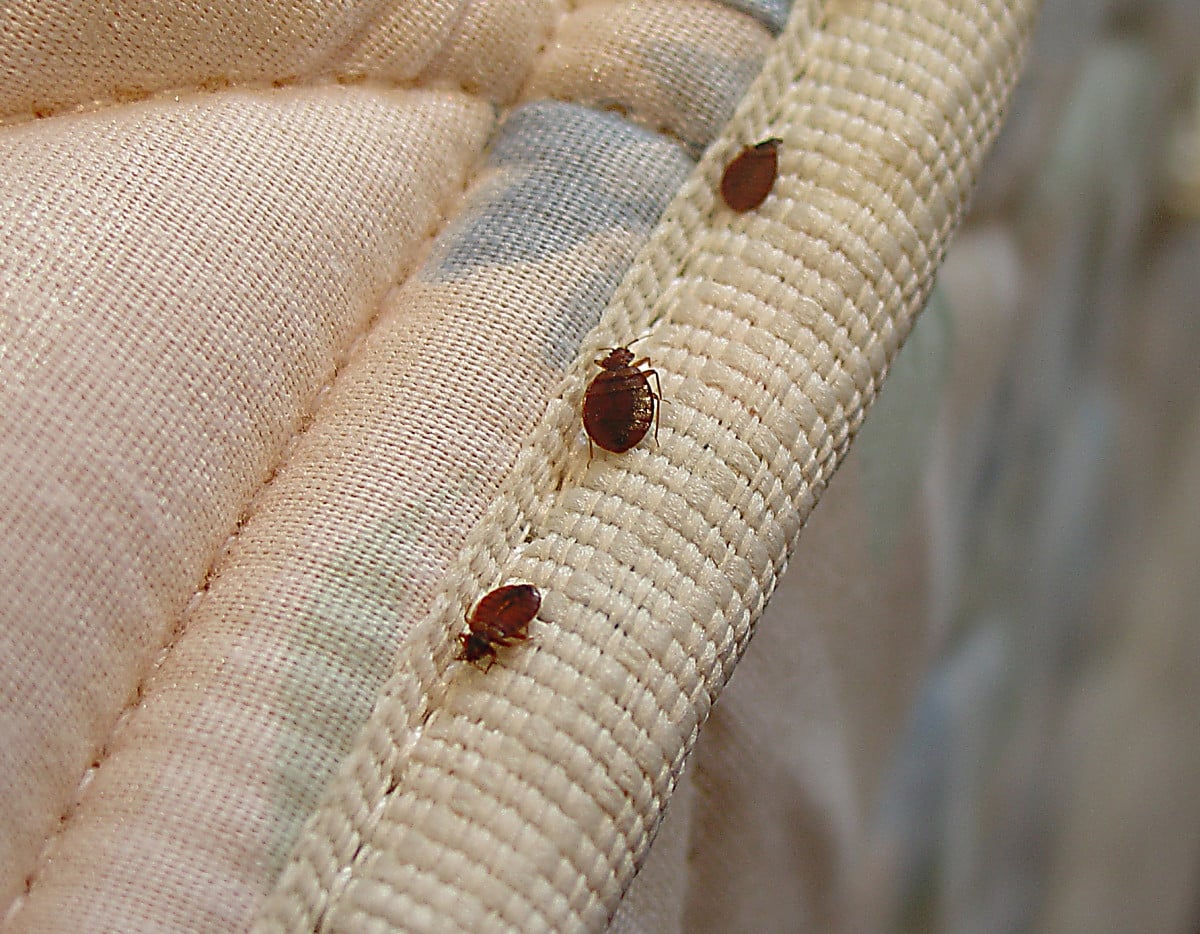
A professional bed bug inspection is one of the most effective ways to confirm an infestation and create a plan for removal. Bed bugs are small, elusive pests that hide in cracks, seams, and furniture, often going undetected until they spread throughout multiple rooms. Preparing your home properly before an inspection helps ensure accuracy and efficiency, allowing specialists to locate every possible hiding place.
The process is not only about cleaning but also about organizing, decluttering, and following safety steps that allow inspectors to work thoroughly. Understanding how to prepare for an inspection helps homeowners save time and increases the likelihood of successful detection.

Why Proper Preparation Matters
Bed bugs are highly mobile and can move through tiny openings to avoid disruption. Without proper preparation, they may stay hidden during inspection, making it harder to confirm their presence. Professionals rely on clear, accessible areas to perform a detailed evaluation, which includes visual checks and monitoring tools.
Preparing ahead of time also ensures:
- Accurate detection. Uncluttered areas allow inspectors to identify eggs, droppings, and live bugs quickly.
- Faster inspection time. Organized rooms minimize obstacles, so the inspection can focus on key infestation sites.
- Better safety and hygiene. Proper preparation reduces the risk of cross-contamination and accidental spreading of pests.
- Comprehensive coverage. Inspectors can evaluate the entire home, including areas you may not realize are at risk.
Taking the right steps before the inspection helps professionals locate both active and dormant bed bugs, leading to a more effective treatment plan.
Decluttering and Cleaning Before Inspection
The first step in preparing for a bed bug inspection is creating a clean and clutter-free environment. While cleaning does not eliminate the pests, it allows inspectors to access potential hiding places. Bed bugs are commonly found near sleeping areas but can also spread into living rooms, closets, and baseboards.
Follow these cleaning and decluttering guidelines:
- Remove unnecessary items. Clear clothing piles, papers, and storage boxes, especially around beds and furniture.
- Vacuum thoroughly. Use attachments to clean along baseboards, mattress seams, and furniture crevices. Dispose of vacuum contents in sealed bags.
- Launder bedding and fabrics. Wash sheets, pillowcases, and blankets in hot water and dry on high heat. Store them in clean plastic bins until after inspection.
- Wipe down hard surfaces. Clean floors, headboards, and walls to remove dust and debris that can obscure pest signs.
Avoid using strong chemicals or pesticides before inspection. Doing so can drive bed bugs deeper into hiding or interfere with detection methods, reducing the accuracy of the results.
Preparing Furniture and Sleeping Areas
Bed bugs are drawn to areas where people rest for long periods. Beds, couches, and recliners are the most common infestation sites. Preparing these areas properly ensures that the inspector can check every possible hiding spot.
Inspectors typically examine these locations closely:
- Mattresses and box springs. Strip all bedding and stand the mattress upright for easy inspection.
- Bed frames and headboards. Move furniture away from walls and remove any detachable components.
- Sofas and upholstered chairs. Lift cushions and inspect seams and corners.
- Nightstands and drawers. Empty contents and leave drawers slightly open.
- Closets and nearby storage. Keep hanging clothes spaced out and remove items stored on the floor.
If you have travel luggage, check and store it away from the bedrooms. Bed bugs can easily hitchhike from recent trips or shared environments, so it’s wise to keep bags isolated. You can learn more about safe travel habits from this resource on avoiding bed bug exposure.
What To Expect During the Inspection
A bed bug inspection is a detailed process that involves both visual and physical checks. Professionals may use specialized equipment to detect signs of infestation, such as eggs, fecal spots, and shed skins. Some inspections also include monitoring tools or canine detection units for large properties.
Here’s what typically happens during an inspection:
- Visual scanning. Inspectors examine mattresses, headboards, baseboards, and furniture joints using lights and magnifiers.
- Use of detection devices. Interceptor traps and adhesive monitors may be placed under bed legs or along walls.
- Temperature or moisture analysis. These tools help identify ideal conditions where bed bugs may hide.
- Documentation. Photos and notes are taken to record evidence for treatment planning.
The inspection may take one to two hours, depending on the size of the home and the number of rooms. Homeowners should remain available to answer questions about travel history, recent bites, or prior pest treatments.
Avoid moving furniture or belongings once the inspection begins, as this may disturb evidence and make detection harder.
Steps to Take After the Inspection
Once the inspection is complete, professionals will review their findings and recommend next steps. Whether or not bed bugs are confirmed, following proper post-inspection procedures helps prevent spreading and prepares the home for treatment if needed.
You should:
- Wait for professional instructions. Do not begin self-treatment unless advised.
- Follow containment recommendations. Keep bagged laundry and sealed items isolated until cleared.
- Schedule follow-up visits. If bed bugs are detected, additional inspections may be needed to ensure progress.
- Maintain a clean, organized space. Continue regular vacuuming and clutter reduction to discourage future nesting.
For some properties, year-round pest monitoring programs can provide lasting protection from recurring infestations. Learn more about proactive management from this discussion on long-term treatment planning, which explores continuous solutions for pest-prone environments.
Be Inspection-Ready for the Best Results
Preparing for a bed bug inspection requires careful attention to detail, but the effort pays off. A well-prepared home helps professionals conduct a thorough evaluation, identify early signs of infestation, and recommend the safest, most effective treatment plan. For expert detection and comprehensive pest management, schedule your next inspection with Prevent Pests.