
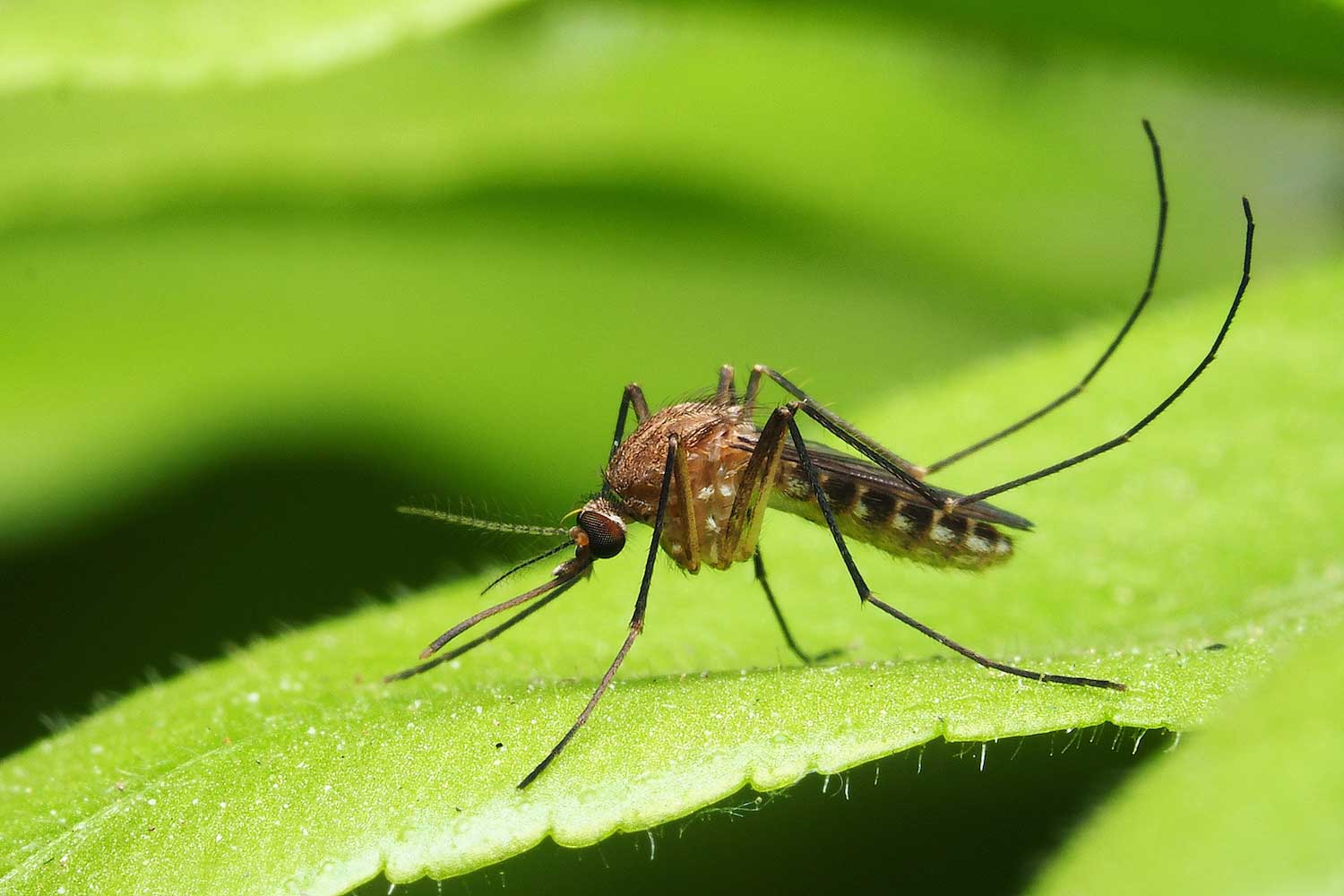
Mosquito infestations often begin quietly, with just a few noticeable bites or a faint buzzing sound. By the time homeowners realize the scale of the problem, hundreds of mosquitoes may already be breeding nearby. Understanding the early indicators of an infestation is key to preventing these pests from taking over your property and posing health risks to your family.
Mosquitoes are more than just a nuisance; they can carry harmful pathogens such as West Nile virus and Zika. Detecting the problem early and acting swiftly can prevent small issues from escalating into persistent infestations.

Understanding How Mosquito Infestations Start
Mosquitoes thrive wherever there is stagnant water, warmth, and shelter. Female mosquitoes require still water to lay eggs, and within days, larvae develop into adults. Even small collections of water in flower pots, gutters, or buckets can become breeding sites.
Here’s how infestations typically begin:
- Stagnant water accumulation: Clogged drains, birdbaths, and rain-filled containers provide ideal egg-laying areas.
- Warm, humid environments: Mosquito activity spikes when humidity is high and temperatures stay above 70°F.
- Neglected outdoor areas: Overgrown vegetation and shaded corners create resting spots for adult mosquitoes.
- Nearby hosts: The presence of humans and pets provides blood meals essential for reproduction.
Once breeding begins, mosquito populations can multiply rapidly. A single female can lay up to 300 eggs at a time, and these cycles repeat throughout the season. That’s why even small infestations can become widespread without timely intervention.
Recognizing Early Signs of Mosquito Activity
Early detection is crucial for keeping mosquito populations manageable. While adult mosquitoes are easy to spot, other indicators appear well before they become a noticeable problem.
Look for these early warning signs:
- Frequent buzzing: Persistent high-pitched sounds near your ears or windows often indicate nearby activity.
- Bite clusters: Small, itchy welts appearing in groups, particularly around ankles and arms, suggest a growing presence.
- Larvae in standing water: Tiny, wriggling organisms under the surface of puddles, planters, or drains are mosquito larvae.
- Increased activity at dusk: Mosquitoes are most active during early morning and evening hours when light and wind are low.
- Presence around shade: Adult mosquitoes often rest on the underside of leaves, patio furniture, or under decks during the day.
Spotting larvae or adults early allows for immediate control measures, preventing multiple breeding cycles from taking hold. Consistent monitoring, especially after rainfall, is one of the most effective early prevention tactics.
Common Breeding Sites Homeowners Overlook
Even with regular cleaning, many properties contain unnoticed mosquito breeding grounds. Because mosquitoes can breed in as little as half an inch of water, these overlooked areas often serve as the starting point for infestations.
Typical hidden breeding sites include:
- Clogged gutters and drains: Accumulated debris holds water long enough for eggs to hatch.
- Flowerpot saucers and buckets: Excess water collects after watering plants or rainfall.
- Outdoor toys or equipment: Items left in the yard often collect rainwater that goes unnoticed.
- Birdbaths and pet bowls: Without frequent cleaning, these become ideal mosquito nurseries.
- Tarp covers and pool covers: Uneven surfaces trap water that remains stagnant for days.
Because mosquitoes are drawn to certain conditions, homeowners can reduce risk by improving yard drainage and minimizing moisture buildup. However, prevention is more effective when guided by a structured plan. Professionals emphasize that consistency is key, as explained in a guide detailing why monthly mosquito plans work best.
Why DIY Mosquito Control Often Falls Short
Homeowners frequently turn to sprays, candles, or foggers to handle mosquito infestations on their own. While these products can provide temporary relief, they rarely address the root of the problem, which are breeding sites and favorable habitats.
The limitations of DIY approaches include:
- Short-lived effects: Store-bought sprays only affect adult mosquitoes, not eggs or larvae.
- Uneven coverage: Foggers and repellents may miss sheltered or shaded areas where mosquitoes rest.
- Chemical misuse: Over-application can harm beneficial insects or contaminate soil and water sources.
- Lack of monitoring: DIY solutions often end without follow-up, allowing populations to rebound.
Effective mosquito control involves more than surface-level treatments. Professionals combine inspection, larvicide applications, and habitat modification to ensure long-term results. Understanding what attracts mosquitoes can also help reduce recurring infestations, as outlined in this helpful piece exploring why your yard might be a target.
Professional Prevention and Long-Term Protection
Professional pest management focuses on breaking the mosquito lifecycle through integrated techniques. Specialists identify breeding zones, treat them strategically, and recommend structural improvements to prevent future infestations.
A comprehensive mosquito management plan typically includes:
- Source reduction: Eliminating stagnant water sources and improving yard drainage.
- Larval control: Applying eco-friendly larvicides in standing water that cannot be removed.
- Barrier treatments: Creating protective zones around the home’s perimeter to repel adult mosquitoes.
- Ongoing monitoring: Scheduling regular inspections during mosquito season to adjust treatments.
- Client education: Advising homeowners on landscape and maintenance habits that reduce breeding risks.
Combining professional services with homeowner awareness ensures continuous protection throughout mosquito season. Regular maintenance keeps populations low and helps prevent re-infestation after rain or temperature changes.
Keep Mosquitoes Out Before They Multiply
Mosquito infestations often begin long before they become noticeable. Early detection and consistent prevention are the most reliable defenses against these resilient pests. For comprehensive inspection and customized treatment solutions, contact Prevent Pests to schedule your professional mosquito control service today.